
1849 bio
Summer 2024Engineering microbes for miners to unlock billions in trapped metal
About Company
1849 bio designs microbes enabling cheap metal extraction allowing miners to unlock value from low quality copper and gold ores. Surprisingly, the mining industry is one of the largest scale users of biotech in the world with biomining processes accounting for ~1% of global copper production. Biomining is ultra-low cost, running around ~$1/ton of ore vs ~$7/ton for conventional processes. Unfortunately, while biomining is cheap, it can’t be applied to over 80% of copper ores, leaving vast resources without profitable extraction methods. An estimated ~$800B of copper sit today in waste materials and stockpiles with negative unit economics. While a great deal of effort has been spent on optimizing microbial metal extraction processes, very little effort has been spent on optimizing the microbes themselves. To change that, we’re creating new biotech tools and platforms applied directly to the types of biology most relevant to miners. This enables us to develop new microbes and tackle some of the most difficult problems in biomining, unlocking billions in value from unprofitable resources while being more environmentally friendly than conventional processes. We’re world class microbial engineers. We met while doing our PhDs in synthetic biology, where we spent our time applying and developing the most advanced bioengineering technologies to engineer living cells.
Active Founders

Co-founder and CEO of 1849 bio. I get excited working on difficult problems with outsized impacts if you can solve them. I studied Microbiology and Applied Math at the University of Washington before doing my PhD at MIT in a synthetic biology lab. I've spent my time pushing the limits of what’s possible in bioengineering. 1849 is my second startup, the first of which I co-founded during grad school and led the early science at.
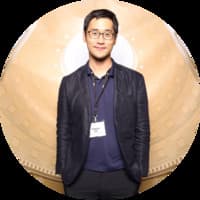
I am the co-founder and CSO of 1849 bio. I studied chemical engineering at KAIST and did my PhD at MIT in the Department of Biological Engineering. During my PhD, I developed core technology used in the world's first engineered probiotic that went into clinical trial. After completing PhD, I worked in deep biotech companies, developing microbial products that were administered to over 6M acres of farmland in the US (about the area of Belgium!).